.png)
This guide breaks everything down in a clear, beginner-friendly way so you can confidently pick the right wetsuit size without second-guessing your decision.
Why Wetsuit Size Matters More Than You Think
A wetsuit works by trapping a thin layer of water between your body and the suit. Your body heats this water, creating insulation. If your wetsuit is too loose, water constantly flushes in and out, making you cold. If it’s too tight, it restricts movement and can even affect breathing.
So, the right size = balance between:
- Snug fit (to retain heat)
- Flexibility (to move comfortably)
- Minimal water flushing
Think of it like a second skin—not baggy, not suffocating.
Step 1: Understand Your Body Measurements
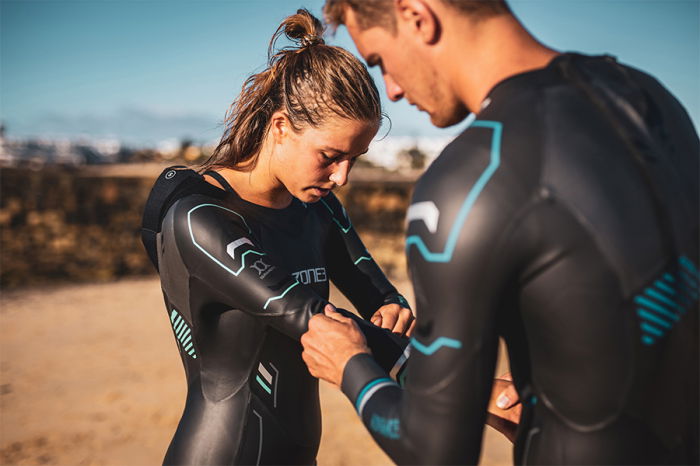
Before even looking at sizes (S, M, L, etc.), you need accurate body measurements. Wetsuit sizing is much more precise than regular clothing.
Key Measurements You Need:
- Height
- Weight
- Chest (for men) / Bust (for women)
- Waist
- Hips (especially important for women)
Pro Tip:
Use a soft measuring tape and measure against your skin (not over clothes). Stand naturally—don’t suck in your stomach or puff your chest.
Step 2: Read Wetsuit Size Charts Properly
Each brand has its own sizing chart. A “Medium” in one brand might be a “Small Tall” in another.
Common Size Categories:
- Standard sizes: S, M, L, XL
- Tall sizes: MT (Medium Tall), LT
- Short sizes: MS (Medium Short)
- Special fits: Curvy, athletic, etc.
How to Choose:
If your measurements fall between two sizes:
- Choose the smaller size for a tighter, performance fit
- Choose the larger size for comfort and easier movement
Beginners often prefer slightly more comfort—but don’t go too loose.
Step 3: Understand How a Wetsuit Should Feel
Trying on a wetsuit for the first time can feel… strange. It’s tighter than normal clothes, and that’s intentional.
What a Proper Fit Feels Like:
- Snug across the entire body
- No large air pockets or sagging areas
- Slight resistance when moving, but not restrictive
- No painful pressure points
What’s TOO Tight:
- Hard to breathe normally
- Tingling in arms/legs
- Limited shoulder movement
- Pain in neck or chest
What’s TOO Loose:
- Wrinkles or folds in the suit
- Gaps at the lower back or armpits
- Water easily entering the suit
- Baggy knees or elbows
Step 4: Pay Attention to Key Fit Areas
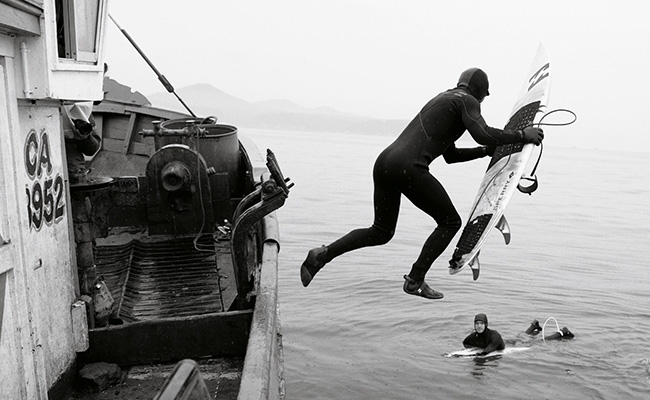
Not all parts of the wetsuit matter equally. These areas are critical:
1. Shoulders
You should be able to raise your arms without major resistance. If paddling (surfing), this is especially important.
2. Neck
It should sit snugly without choking you. Too loose = water flushing. Too tight = discomfort.
3. Lower Back
No big gaps. This area is a common spot where cold water enters.
4. Crotch and Torso Length
If the suit pulls down on your shoulders or bunches at the crotch, the torso length is wrong.
5. Wrists and Ankles
They should seal well to prevent water from entering, but not cut off circulation.
Step 5: Consider Wetsuit Thickness (It Affects Fit!)
.png)
Thicker suits = warmer but less flexible.
Important for Sizing:
Thicker wetsuits feel tighter, even in the same size.
So if you’re buying a thicker suit:
- Expect a snugger fit
- You might prefer a slightly more flexible model rather than sizing up
Step 6: Choose the Right Type of Wetsuit
Different wetsuit styles fit differently.
Full Suit (Steamer)
- Covers entire body
- Best for colder water
- Requires precise sizing
Shorty (Spring Suit)
- Short arms and legs
- More forgiving in fit
- Great for beginners in warm climates
Long John / Farmer John
- Sleeveless
- More flexible in shoulders
For beginners, a full suit or shorty is usually the easiest choice.
Step 7: Understand Materials and Stretch
Modern wetsuits are made from neoprene, but not all neoprene is equal.
Types of Neoprene:
- Standard neoprene: Durable, less stretchy
- Super-stretch neoprene: More flexible, easier to fit
- Limestone neoprene: Eco-friendlier, often more comfortable
Why This Matters:
More stretch = more forgiving sizing.
If you’re unsure between sizes, a high-stretch wetsuit can make a big difference.
Step 8: Try It On the Right Way
Putting on a wetsuit incorrectly can make it feel like the wrong size.
How to Put It On Properly:
- Pull it up gradually (don’t rush)
- Adjust legs and arms fully into place
- Make sure there’s no bunching
- Zip it up last
Beginner Mistake:
Not pulling the suit up enough, especially around the hips and torso—this creates false tightness in the shoulders.
Step 9: Test Movement Before Buying
Once it’s on, don’t just stand there—move!
Do These Tests:
- Raise your arms overhead
- Squat down
- Twist your torso
- Simulate swimming or paddling
If it feels restrictive during these movements, it’s not the right fit.
Step 10: Consider Your Activity
Different water sports require different fits.
Surfing:
- Needs high shoulder flexibility
- Slightly tighter fit preferred
Diving:
- Warmer, thicker suits
- Comfort > flexibility
Swimming:
- Streamlined fit
- Minimal drag
Paddleboarding / Kayaking:
- More relaxed fit acceptable
As a beginner, think about what you’ll do most often—not just once.
Step 11: Gender-Specific Fit Matters
Men’s and women’s wetsuits are designed differently.
Men’s Fit:
- Broader shoulders
- Narrower hips
Women’s Fit:
- More room in hips and bust
- Shorter torso proportions
Using the correct category will drastically improve comfort and fit.
Step 12: Don’t Ignore Brand Differences
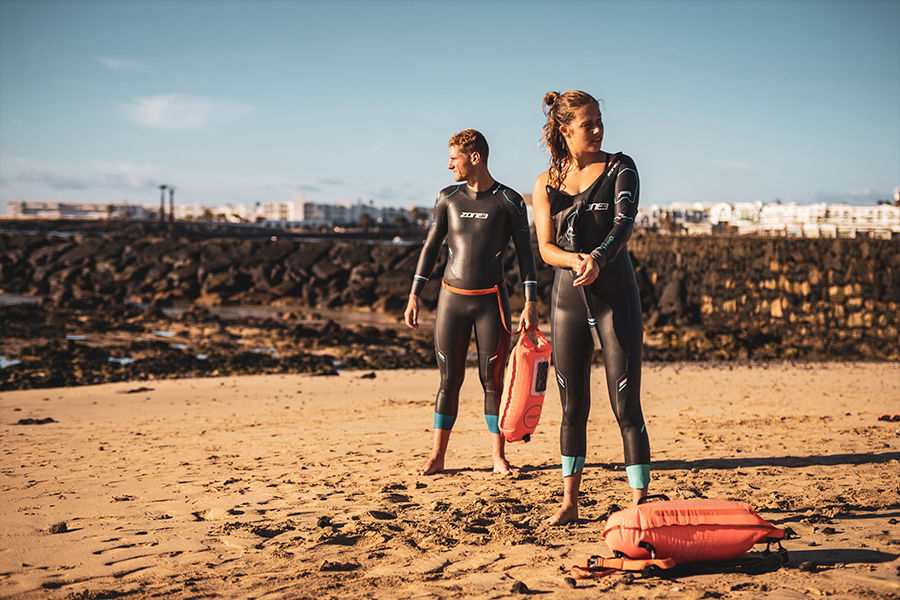
Every brand cuts their wetsuits differently.
Some are:
- Better for tall, slim builds
- Better for stockier or muscular builds
- More flexible vs more structured
Tip:
If possible, try multiple brands instead of sticking to one.
Step 13: Budget vs Fit (What Matters More?)
Beginners often try to save money—but a poorly fitting wetsuit will ruin your experience.
Prioritize:
- Fit
- Flexibility
- Warmth
- Price
A mid-range wetsuit that fits well is always better than a premium one that doesn’t.
Step 14: Common Beginner Mistakes to Avoid
❌ Choosing Based on Regular Clothing Size
Wetsuits don’t follow normal sizing rules.
❌ Buying Too Loose for Comfort
You’ll end up cold and uncomfortable in the water.
❌ Ignoring Height vs Weight Ratio
Both matter equally in sizing charts.
❌ Not Trying It On Properly
Fit issues often come from incorrect wearing, not wrong size.
❌ Skipping Movement Tests
Standing still doesn’t reveal real fit problems.
Step 15: Quick Beginner Checklist
Before buying your wetsuit, make sure:
- ✔ You measured your body accurately
- ✔ You checked the brand’s size chart
- ✔ The suit feels snug but not restrictive
- ✔ No major gaps or wrinkles
- ✔ You can move freely
- ✔ Neck, wrists, and ankles seal properly
Final Thoughts
Choosing the right wetsuit size might seem tricky at first, but once you understand the basics, it becomes much easier. The key is to focus on fit over everything else. A well-fitting wetsuit will keep you warm, comfortable, and confident—whether you’re surfing your first wave or exploring underwater for the first time.
Take your time, try different options if possible, and don’t rush the decision. The right wetsuit isn’t just gear—it’s part of your experience in the water.


.jpg)
.jpg)


.png)
.png)