
In 2026, the home fitness revolution continues to thrive as people seek efficient, convenient, and sustainable ways to stay healthy. With busy schedules, hybrid work models, and a growing emphasis on holistic wellness, 30-minute home workouts have become a game-changer. These short, focused sessions deliver impressive results in strength, fat loss, cardiovascular health, and mental well-being without requiring hours in a commercial gym.
This comprehensive guide dives deep into the science, practical strategies, and actionable knowledge you need to create an effective home gym environment and master time-efficient routines that fit seamlessly into modern life.
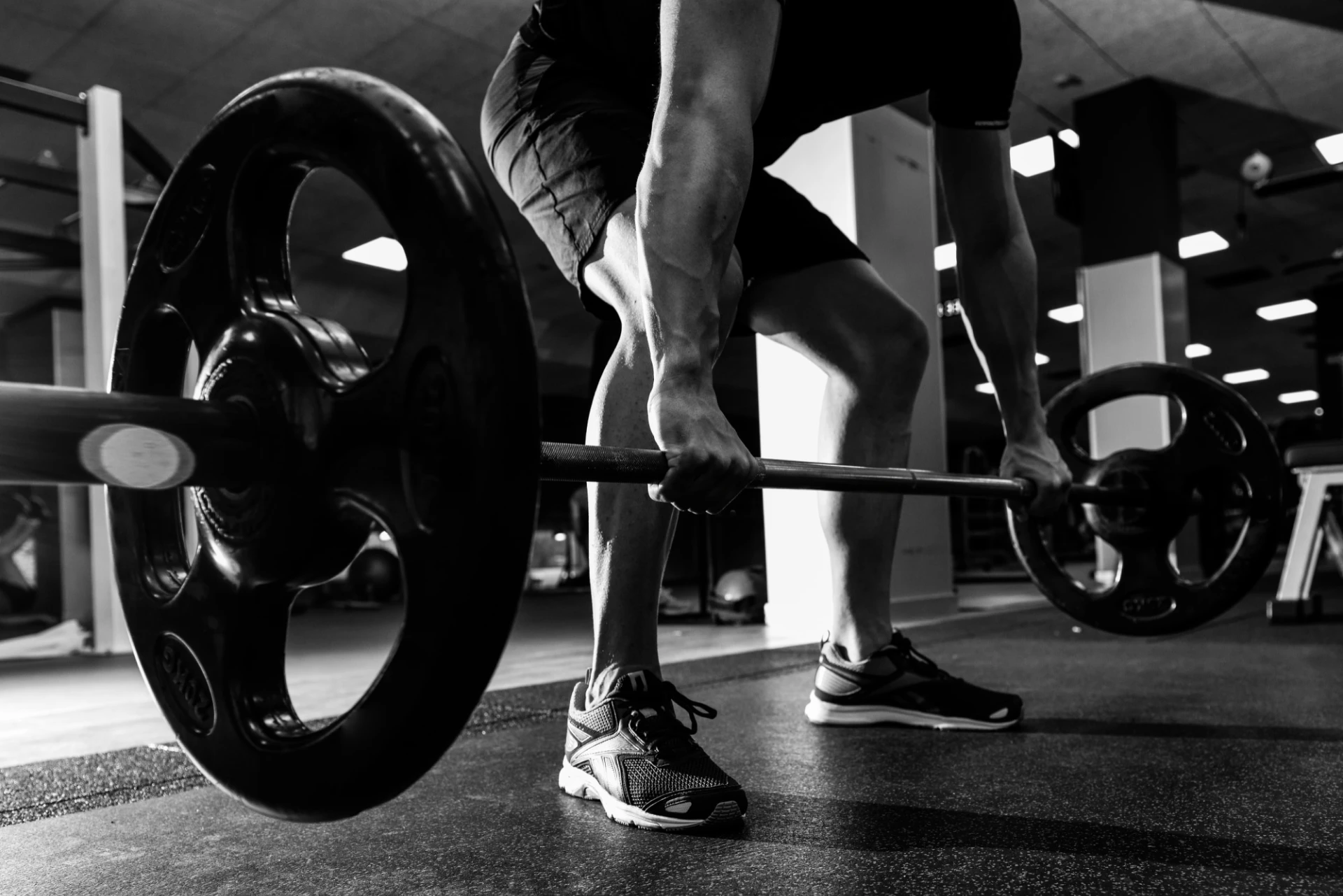
Image: Clean, motivating home workout space with minimal equipment and natural lighting.
The Science Behind Short, Effective Home Workouts

Research in exercise physiology consistently shows that high-quality 30-minute sessions can be as effective — or more effective — than longer, less intense workouts. High-Intensity Interval Training (HIIT), circuit training, and compound movement-focused routines maximize metabolic demand, trigger muscle protein synthesis, and elevate excess post-exercise oxygen consumption (EPOC), helping your body burn calories long after the workout ends.
Key benefits backed by 2026 studies include:
- Improved insulin sensitivity and metabolic health
- Enhanced mitochondrial function for better energy production
- Significant reductions in stress hormones like cortisol
- Better adherence rates compared to longer programs
By prioritizing intensity and movement quality over duration, you achieve sustainable progress while reducing injury risk and burnout.
Designing Your Ideal Home Gym Space in 2026

Creating a dedicated workout zone is one of the most powerful predictors of long-term consistency. Start small and build smart.
Essential Space Planning Principles:
- Choose a clutter-free area with good ventilation and natural light when possible.
- Aim for at least 6x6 feet of clear floor space for bodyweight movements.
- Use multi-functional furniture — foldable mats, wall-mounted racks, or under-bed storage.
- Incorporate motivational elements like mirrors for form checks, plants for air quality, or a digital screen for guided sessions.
Budget-Friendly Equipment Recommendations for 2026:
- High-quality yoga mat with cushioning
- Adjustable dumbbells or resistance bands
- Jump rope and stability ball
- Pull-up bar or suspension trainer
- Foam roller for recovery
Even without equipment, your bodyweight remains one of the most effective tools available.
Your Core 30-Minute Home Workout Blueprint
A well-structured 30-minute routine typically follows this proven format:
1. Warm-Up (5 Minutes) Dynamic movements prepare joints, increase blood flow, and activate key muscle groups. Effective options include:
- Marching in place with arm swings
- Bodyweight squats and lunges
- Arm circles, leg swings, and torso rotations
- Light jumping jacks or high knees
2. Main Circuit (20 Minutes) Perform 3–4 rounds with minimal rest. Example full-body circuit:
- Push-ups (standard or knee variation): 45 seconds
- Bodyweight Squats or Goblet Squats: 45 seconds
- Plank or Side Plank: 30–45 seconds
- Alternating Reverse Lunges: 45 seconds per side
- Mountain Climbers or Burpees: 45 seconds
3. Cool-Down & Mobility (5 Minutes) Static stretches and deep breathing help lower heart rate and improve flexibility. Focus on major muscle groups: hamstrings, hip flexors, chest, and shoulders.
This blueprint is highly adaptable for beginners to advanced athletes.
Advanced Variations to Prevent Plateaus
To keep progress steady, rotate between different training styles throughout the week:
Strength-Focused Days Emphasize slower tempos and higher resistance using household items or bands. Include movements like single-leg Romanian deadlifts, pike push-ups, and inverted rows.
HIIT & Metabolic Conditioning Short bursts of maximum effort followed by brief recovery periods. This style excels at improving VO2 max and fat oxidation.
Mobility & Recovery Flows Incorporate yoga-inspired sequences, animal flows, or Pilates-style core work to enhance joint health and movement quality.
Cardio Endurance Circuits Combine jumping rope, shadow boxing, and high-rep bodyweight moves for heart health.
Progression Strategies for 2026
- Increase work intervals or decrease rest periods
- Add pauses at the bottom of movements for time-under-tension
- Advance to unilateral (single-side) variations
- Track metrics using wearable technology or simple workout logs
Nutrition and Recovery Strategies to Amplify Results
Exercise is only part of the equation. Support your 30-minute routines with smart nutrition:
- Pre-workout: Light protein + carbs (e.g., banana with nut butter)
- Post-workout: Protein-rich meal within 60 minutes
- Stay hydrated — aim for consistent water intake throughout the day
- Prioritize sleep (7–9 hours) and stress management practices like meditation
Incorporate active recovery days with walking, light stretching, or mobility work to optimize long-term adaptation.
Pro Tips for Building Unbreakable Consistency
Psychological Techniques:
- Use habit stacking — pair workouts with existing routines like morning coffee
- Implement the “2-minute rule” — commit to just starting; momentum often follows
- Create accountability through apps, online communities, or workout partners
Common Pitfalls and Solutions:
- Lack of motivation → Prepare clothes and playlist the night before
- Poor form → Film yourself or use mirrors
- Limited space → Focus on vertical movements and efficient circuits
Tracking Progress Effectively: Maintain a simple journal noting workouts, energy levels, measurements, and how clothes fit. Celebrate non-scale victories like improved mood or better sleep.
Sample Weekly Home Workout Schedule
Monday: Full-Body Strength Circuit Tuesday: Active Recovery Yoga Flow Wednesday: HIIT Cardio Blast Thursday: Lower Body Focus Friday: Upper Body & Core Saturday: Optional Longer Session or Outdoor Activity Sunday: Full Rest or Light Mobility
Adjust based on your energy, goals, and lifestyle.
Long-Term Transformation: Mindset and Lifestyle Integration
Building a home gym habit in 2026 is about more than physical changes. It fosters discipline, self-confidence, and a stronger mind-body connection. Many people report improved focus at work, better mood regulation, and a greater sense of control over their health.
Setting Powerful Goals: Use the SMART framework and consider process goals (e.g., “Complete 3 workouts this week”) alongside outcome goals (e.g., “Lose 10 pounds of fat”).
Scaling for Different Life Stages:
- Beginners: Focus on form and consistency
- Parents: Short sessions during nap times
- Advanced athletes: Add complexity and load
Final Thoughts: Your Strongest Self Starts at Home

A dedicated home gym space combined with smart 30-minute workouts offers one of the highest returns on investment for your health in 2026. The convenience, privacy, and flexibility empower you to build sustainable habits that last.
Start small today. Clear a corner, roll out a mat, and commit to one 30-minute session. Over time, these short investments compound into remarkable transformations in both your body and mindset.
Ready to begin your home fitness journey? Save this guide, bookmark your favorite routines, and take the first step toward a stronger, happier you. Your future self will thank you.

.jpg)


.jpg)


.png)

.png)