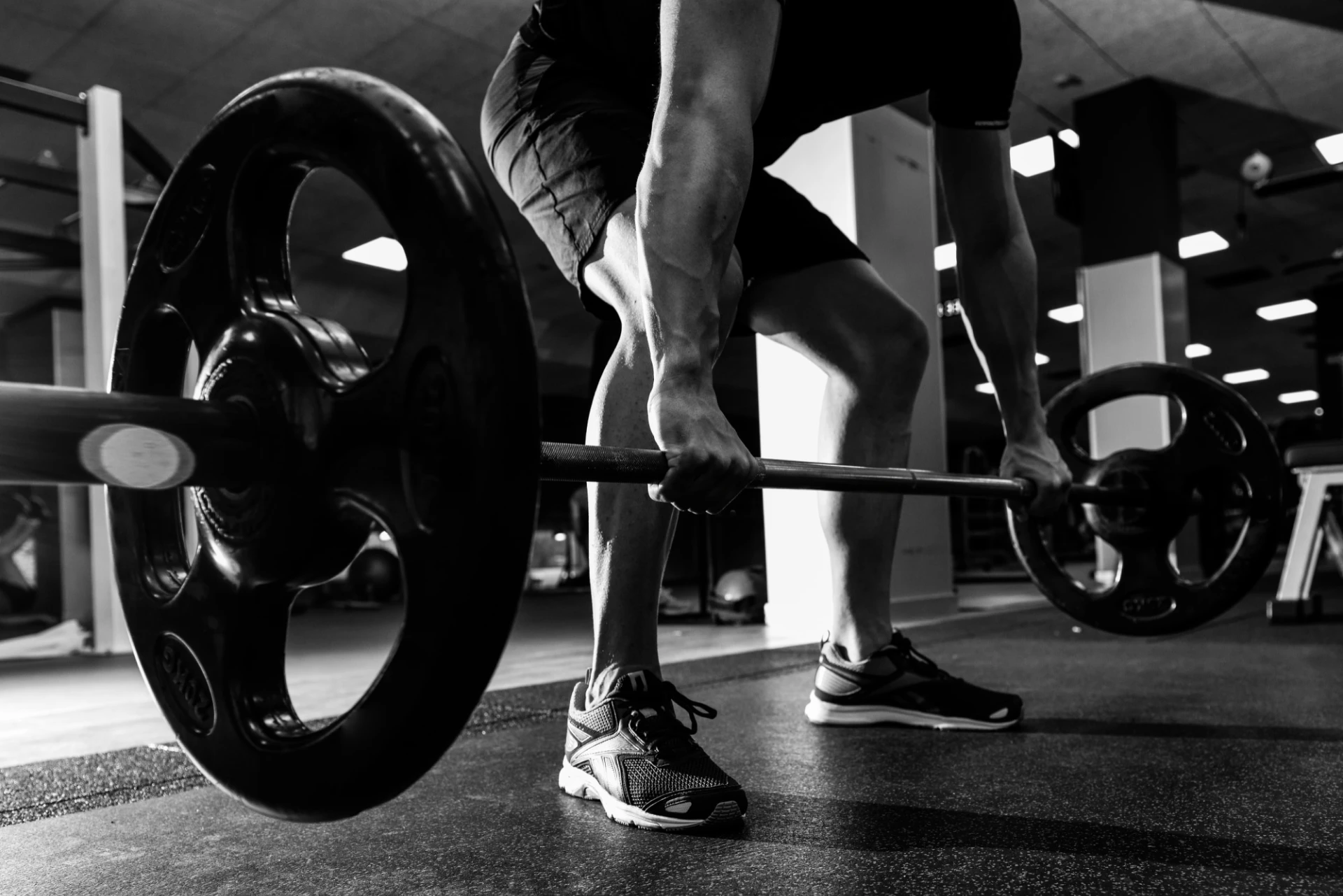

Pushing your limits in the gym is important, but real progress happens during recovery. In 2026, muscle recovery has evolved into a sophisticated, data-driven science. By combining smart nutrition, advanced sleep technology, active recovery methods, and personalized tracking, athletes and fitness enthusiasts can recover faster, build more muscle, and reduce injury risk. Neglecting recovery leads to overtraining, plateaus, and setbacks. Here’s how to master it.
The Science Behind Muscle Recovery
Intense training creates microscopic tears in muscle fibers. Recovery is the process where the body repairs and strengthens these fibers through muscle protein synthesis. Key pillars in 2026 include:
- Optimized nutrition
- Intelligent hydration
- Quality sleep
- Recovery technology (wearables)
- Purposeful active recovery
Nutrition: Fuel for Repair and Growth

Protein Timing & Intake Consume 20–40g of high-quality protein within 30–60 minutes post-workout. Prioritize whey, casein, or complete plant-based sources depending on your needs and preferences.
Carbohydrates for Glycogen Replenishment Replenish energy stores with 1–1.2g of carbohydrates per kg of body weight. Combining carbs with protein in the post-workout window maximizes recovery.
Anti-Inflammatory Foods & Emerging Trends Omega-3 fatty acids, tart cherry extract, curcumin, and polyphenol-rich greens powders are widely used in 2026 to combat inflammation and oxidative stress.
Hydration: The Overlooked Essential Maintain optimal hydration throughout the day — aim for pale yellow urine. Use wearable apps to track fluid balance, as even mild dehydration significantly impairs recovery and performance.
Sleep: The Most Powerful Recovery Tool

- Aim for 7–9 hours of quality sleep every night.
- Optimize your sleep environment: cool, dark, and screen-free.
- Leverage sleep trackers and evidence-based supplements like magnesium, glycine, and tart cherry to improve deep sleep — the phase where growth hormone peaks.
Active Recovery & Mobility Work
- Light walking, yoga, swimming, or easy cycling.
- Daily foam rolling and mobility drills.
- Massage or percussion therapy to release muscle tension and improve blood flow.
Advanced Recovery Techniques in 2026
- Cold Therapy (ice baths, cryotherapy): Reduces inflammation.
- Heat Therapy: Enhances circulation and relaxation.
- Compression Garments & Wearables: Monitor HRV, muscle oxygenation, and recovery scores.
- Contrast Therapy: Alternating hot and cold for enhanced results.
Conclusion
Listen to your body, prioritize rest when needed, and adjust your training based on real data. By implementing these science-backed strategies, you’ll recover faster, make consistent progress, and stay injury-free throughout 2026 and beyond.


.jpg)

.jpg)


.png)

.png)