

Winter often feels like a season for staying indoors. Yet the cold months open up an entire world of movement, adventure, and fresh air that many people never fully explore. Winter Sports range from gentle glides on ice to thrilling descents down snowy slopes, offering something for nearly every fitness level and interest.
This guide gives you clear ideas, a simple way to choose the right activity, and practical advice so you can step outside with confidence and actually enjoy the season.
Why Winter Sports Matter
Cold-weather activity delivers benefits that go beyond exercise. Moving outdoors in winter helps maintain fitness when many people become less active. It strengthens major muscle groups, improves balance and coordination, and provides strong cardiovascular work.
Cross-country skiing, for example, ranks among the most effective full-body aerobic exercises. Downhill skiing and snowboarding build leg strength and core stability while demanding focus and coordination. Even simpler options like ice skating or snowshoeing raise the heart rate and improve mobility.
Beyond the physical side, winter sports offer mental resets. Time in snowy landscapes, crisp air, and natural light can lift mood and reduce the sense of cabin fever that often arrives with shorter days. Many activities also create shared experiences—family sledding runs, group skating sessions, or lessons with friends—that strengthen connections.
In short, Winter Sports turn the coldest months into opportunities rather than obstacles.
A Simple Framework for Choosing Your Winter Sport

Before you buy gear or book a trip, use this quick decision guide:
- Access and location — Do you live near mountains, frozen lakes, parks with trails, or indoor rinks?
- Fitness and experience level — Are you starting from scratch, returning after years away, or already active?
- Preferred intensity — Gentle movement, moderate effort, or high adrenaline?
- Budget and time — One-day outings, weekend trips, or ongoing local practice?
Match these answers to the categories below and you will narrow the options quickly.
Here is a helpful comparison:
| Sport | Difficulty for Beginners | Typical Cost to Start | Best Fitness Benefit | Ideal Setting |
|---|---|---|---|---|
| Ice Skating | Low to Moderate | Low | Balance, cardio | Rinks or frozen lakes |
| Snowshoeing | Low | Low to Moderate | Endurance, leg strength | Parks, trails |
| Cross-Country Skiing | Moderate | Moderate | Full-body cardio | Groomed trails |
| Downhill Skiing | Moderate | Higher | Legs, core, balance | Ski resorts |
| Snowboarding | Moderate to Higher | Higher | Core, balance, lower body | Ski resorts |
| Sledding / Tubing | Very Low | Low | Light cardio, fun | Hills, resorts |
Beginner-Friendly Winter Sports
These activities require minimal prior skill and deliver quick enjoyment.
Ice Skating

A classic that works for almost all ages. Indoor rinks make it accessible year-round in many places, while outdoor ponds or lakes offer a more natural feel when conditions are safe. Focus first on balance and short glides. Most rinks rent skates and offer beginner sessions.
Snowshoeing

Essentially walking with specialized footwear that keeps you on top of the snow. It is easy to learn, requires little technique, and lets you explore quiet trails or parks. Many outdoor shops rent snowshoes, and the activity provides solid leg and cardio work without steep learning curves.
Sledding and Snow Tubing

Pure fun with almost no skill barrier. Tubing parks at resorts often provide lifts so you avoid the hard climb back up. Great for families or groups looking for low-pressure outdoor time.
Classic Cross-Country Skiing

On groomed trails the classic technique (parallel tracks) feels approachable. It builds excellent endurance and uses both upper and lower body. Many Nordic centers rent equipment and offer short introductory lessons.
These options let you experience the joy of winter movement without committing to expensive mountain trips right away.
Classic Mountain Winter Sports
Once you feel comfortable outdoors in the cold, the slopes open up two of the most popular Winter Sports.
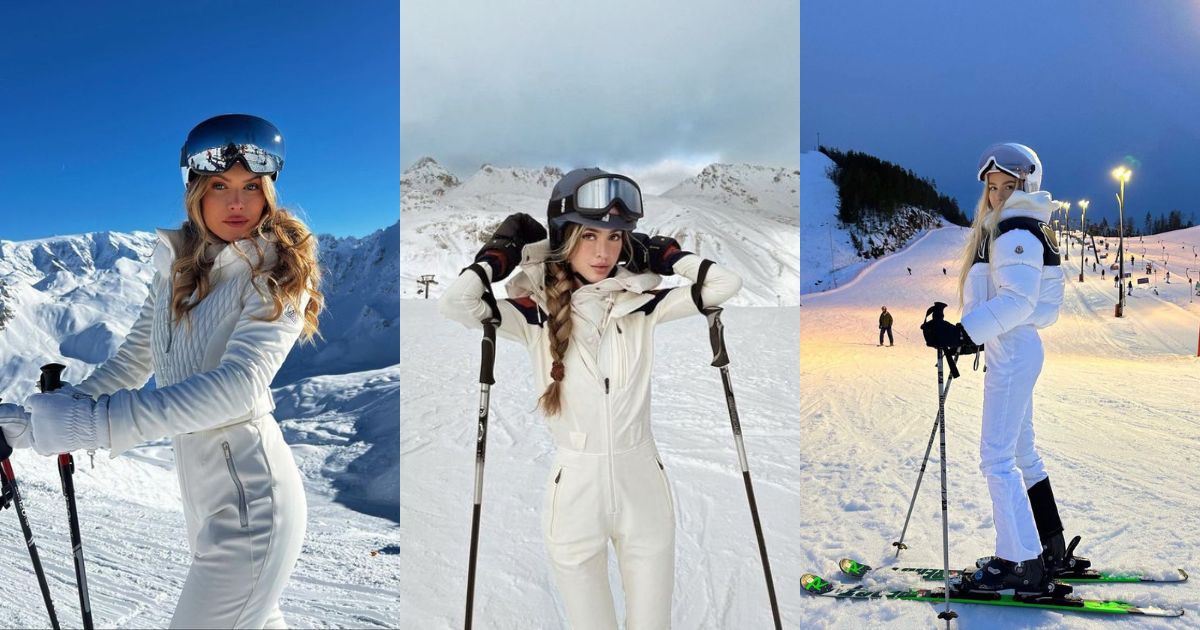
Downhill Skiing

Alpine skiing combines controlled speed with beautiful mountain scenery. Beginners start on gentle green runs with instructors. Modern resorts invest heavily in beginner zones, moving carpets, and learn-to-ski packages that include rentals, lessons, and lift tickets. Progress happens faster when you take consecutive days of lessons rather than isolated attempts.
Snowboarding

Standing sideways on a single board feels different from skiing and often appeals to people who enjoy surfing or skateboarding vibes. The early learning curve can feel steeper because falling is more common at first, but many riders progress quickly once balance clicks. Lessons remain highly recommended for the first few outings.
Both sports reward proper preparation: good boots, a helmet, and layered clothing make the experience far more enjoyable.
Adventure and Variety Options
For those ready to expand beyond the basics, several other winter activities add excitement or new challenges.
- Fat Biking — Wide-tired bikes designed for snow allow trail riding in conditions that stop regular bikes. Many resorts and trail systems now offer rental fleets and marked routes.

- Ice Hockey or Recreational Skating Games — Drop-in sessions or informal games build on basic skating skills and add social energy.

- Snowshoe Hiking or Winter Hiking — Combine snowshoes with longer routes for deeper exploration of forests and viewpoints.

- Introductory Ice Climbing or Mountaineering — Available at some outdoor centers with guides; these demand more preparation and are best tried with professionals.

These choices keep winter interesting even after the first few seasons.
Family, Indoor, and Accessible Alternatives
Not every Winter Sport requires mountains or perfect snow.
Indoor ice rinks support skating and hockey year-round. Many cities offer indoor ski or snowboard training facilities with real snow or synthetic surfaces. Dry slopes and rolling carpets provide practice opportunities far from the Alps or Rockies.

For families, look for resorts with dedicated beginner areas, tubing parks, and mixed-activity tickets. Multi-generational groups often mix skiing or snowboarding with snowshoeing or simple walks so everyone participates at their own pace.
If mobility or health limits outdoor intensity, focus on shorter sessions, indoor options, or supported activities with instructors experienced in adaptive techniques.
Make-Ahead Prep Strategy for Winter Sports
Success outdoors in cold weather starts weeks before the first outing.

Conditioning steps:
- Build general cardio with walking, cycling, or elliptical sessions three to four times per week.
- Strengthen legs, glutes, and core with squats, lunges, and balance exercises.
- Improve flexibility, especially hips, hamstrings, and ankles.
- Practice balance on one leg or with simple stability work.
Aim for at least four to six weeks of consistent movement if you have been less active.
Layering formula (the key to staying comfortable):
- Base layer — Moisture-wicking fabric (synthetic or merino wool). Avoid cotton.
- Mid layer — Insulating fleece, down, or synthetic puffy.
- Outer layer — Waterproof and windproof jacket and pants.
- Extremities — Warm hat or helmet liner, gloves or mittens, quality socks, and waterproof boots.
Add or remove layers as you warm up. Overdressing leads to sweating and then chilling.
Rent gear for the first trips. Boots, skis, boards, and snowshoes should fit properly—poor fit is the fastest way to a miserable day.
Practical Tips for Enjoying Winter Sports Safely

A few habits dramatically improve both safety and enjoyment:
- Take a lesson on your first or second day, especially for skiing or snowboarding. Instructors prevent bad habits and accelerate progress.
- Wear a helmet for any activity involving speed or elevation.
- Check weather and avalanche conditions if you leave marked trails.
- Stay hydrated and bring easy snacks; cold air can mask thirst.
- Know your limits. Fatigue increases injury risk, so end the day while you still feel strong.
- Test equipment annually if you own it—bindings, edges, and boots all need attention.
- Start early in the day when snow conditions are often better and crowds lighter.
These practices turn potentially frustrating first experiences into ones you want to repeat.
Conclusion
Winter Sports transform the coldest months from something to endure into something to anticipate. Whether you begin with a gentle skate around a rink, strap on snowshoes for a quiet trail walk, or take your first lesson on the slopes, the key is simply to start.
Choose an activity that matches your location, fitness, and curiosity. Prepare with sensible conditioning and proper layers. Then step outside and let the season show what it can offer.
The snow is waiting. All you need is the decision to enjoy it.

.jpg)
.jpg)


.png)
.png)