.png)
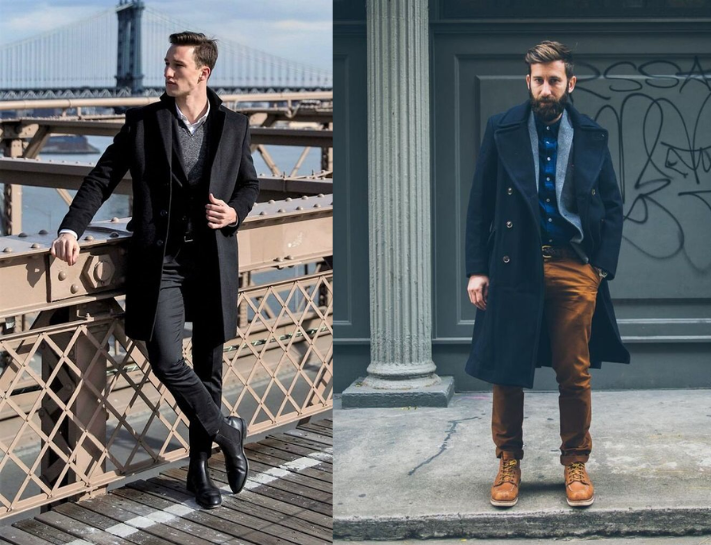
Fall is one of the easiest seasons for building a versatile men’s wardrobe. Cooler temperatures make it possible to layer different pieces, while seasonal textures such as denim, flannel, corduroy, canvas, and knitwear add depth to everyday outfits.
The best Men’s Fall Outfits do not need to be complicated. A simple combination of a T-shirt, overshirt, jeans, and boots can create a strong casual look. For a more contemporary approach, streetwear pieces can be mixed with classic fall staples. Workwear jackets, flannel shirts, and denim can also create practical outfits that work throughout the season.
The key is creating combinations that are comfortable, functional, and easy to adapt as the weather changes.
Why Men’s Fall Outfits Work So Well

Fall provides more opportunities for layering than summer or winter. Instead of relying on one heavy coat, you can combine lightweight pieces to create different looks throughout the day.
A good fall wardrobe should include pieces that can be mixed and matched across several styles.
| Fall Outfit Style | Key Pieces | Overall Look |
|---|---|---|
| Casual Outfit | T-shirt, sweater, chinos | Simple and versatile |
| Streetwear Outfit | Oversized layers, sneakers, cargo pants | Modern and relaxed |
| Denim Outfit | Jeans, denim jacket, boots | Classic and rugged |
| Flannel Outfit | Flannel shirt, denim, boots | Seasonal and casual |
| Workwear Outfit | Chore jacket, canvas, utility pants | Practical and durable |
These categories can overlap. A denim jacket can work with streetwear, a flannel shirt can complement workwear, and a clean pair of sneakers can make a rugged outfit feel more contemporary.
Casual Outfit
A Casual Outfit is the foundation of everyday fall dressing. The goal is to create something comfortable enough for daily activities while still looking intentional.
A simple combination might include a plain T-shirt, lightweight overshirt, straight-leg jeans, and sneakers. When temperatures fall, replace the T-shirt with a crewneck sweater or add a jacket over the top.
Neutral colors make casual outfits easier to combine. Black, white, gray, navy, olive, beige, and brown can form the foundation of a flexible wardrobe.
Build a Simple Casual Formula

A practical fall formula is:
Basic top + seasonal layer + comfortable pants + versatile footwear
For example:
White T-shirt + olive overshirt + dark jeans + leather sneakers
Or:
Crewneck sweater + chinos + suede sneakers
The simplicity makes these combinations easy to repeat without looking exactly the same every day.
Focus on Fit
Casual clothing should not automatically mean oversized clothing. Choose proportions that match your body and personal style.
Straight-leg and relaxed-fit trousers are particularly useful for fall because they provide room for layering while maintaining a clean silhouette.
Streetwear Outfit
A Streetwear Outfit offers a more contemporary approach to fall dressing. It typically combines relaxed proportions, graphic or minimal tops, sneakers, utility pieces, and layered outerwear.
A simple streetwear combination could include a heavyweight T-shirt, relaxed cargo pants, an oversized bomber jacket, and sneakers.
For a more understated look, choose neutral colors and let the silhouette create the visual interest.
Layer Streetwear for Fall

Fall is ideal for experimenting with proportions.
Try combinations such as:
- Oversized hoodie + utility jacket + relaxed jeans
- Graphic T-shirt + bomber jacket + cargo pants
- Knit sweater + wide-leg trousers + sneakers
- Long-sleeve shirt + puffer vest + relaxed denim
The key is avoiding too many oversized pieces at once. If the top layer is very loose, a slightly cleaner trouser silhouette can keep the outfit balanced.
Choose One Statement Piece
Streetwear does not require every item to be bold. One statement piece can be enough.
A distinctive sneaker, graphic jacket, oversized hoodie, or utility trouser can become the focus while the rest of the outfit remains simple.
This makes the overall look easier to wear and less visually crowded.
Denim Outfit

A Denim Outfit is one of the most reliable options for fall. Denim works across casual, rugged, vintage, and contemporary styles, making it easy to adapt to different wardrobes.
Dark denim creates a cleaner appearance, while lighter washes can produce a more relaxed and casual look.
A classic combination might include a heavyweight T-shirt, straight-leg jeans, a denim jacket, and boots.
Try Denim With Different Layers
Denim does not have to mean wearing a denim jacket with jeans. Try pairing jeans with:
- Wool overshirts
- Flannel shirts
- Chore jackets
- Knit sweaters
- Bomber jackets
- Field jackets
These combinations give the same pair of jeans a completely different appearance.
Avoid Excessive Matching
If you wear denim on both the top and bottom, consider choosing noticeably different washes. A dark denim jacket with lighter jeans, for example, creates more separation between the two pieces.
Alternatively, use a contrasting layer such as a cream sweater or olive jacket between denim pieces.
Flannel Outfit
A Flannel Outfit is a classic fall choice because the fabric provides warmth, texture, and a distinctly seasonal appearance.
A flannel shirt can be worn as a standalone top or layered over a T-shirt. For colder days, add a jacket or vest on top.
A traditional combination might include a checked flannel shirt, dark jeans, leather boots, and a canvas jacket.
Modernize the Flannel Look
Flannel does not have to create a traditional lumberjack aesthetic. Choose a cleaner fit and pair the shirt with contemporary pieces.

For example:
Neutral flannel + relaxed trousers + minimalist sneakers
This creates a modern casual outfit while retaining the seasonal texture of flannel.
You can also choose solid-colored flannel shirts in brown, olive, navy, or cream for a more understated appearance.
Layer a Flannel Shirt
One of the most useful things about flannel is its versatility as a mid-layer.
Wear a T-shirt underneath, then add a jacket when temperatures drop. This makes the outfit adaptable throughout the day.
Workwear Outfit
A Workwear Outfit combines practical clothing with a strong visual identity. Traditional workwear pieces such as chore coats, canvas jackets, carpenter pants, utility trousers, heavy flannel, and sturdy boots are particularly well suited to fall.
A simple workwear combination might include a heavyweight T-shirt, canvas chore jacket, straight-leg utility pants, and leather boots.
Build Around Durable Pieces

Workwear is often most effective when you focus on quality-looking textures and simple colors.
Consider:
Canvas + denim + leather
or
Cotton + corduroy + suede
These combinations create visual depth without relying on bright colors or complicated patterns.
Keep Workwear Wearable
Modern workwear does not need to look exactly like traditional job-site clothing. You can mix one or two workwear pieces with everyday basics.
For example, a chore jacket can be worn with a simple T-shirt, tapered chinos, and clean sneakers. This creates a casual outfit with workwear influence without becoming overly rugged.
How to Layer Men’s Fall Outfits
Layering is one of the most important skills for creating Men’s Fall Outfits. The best approach is to build from lightweight pieces toward heavier outer layers.

A simple layering system is:
Base layer → Mid-layer → Outer layer
The base layer could be a T-shirt or lightweight long-sleeve shirt. The mid-layer might be a flannel, sweater, or overshirt. The outer layer could be a denim jacket, bomber, chore coat, or field jacket.
This structure makes it easier to adjust your outfit when temperatures change.
Mix Textures
Fall outfits become more interesting when different textures are combined.
Try:
- Denim + knitwear
- Flannel + canvas
- Corduroy + cotton
- Wool + denim
- Suede + flannel
You do not need several statement pieces. One textured item combined with simple basics can be enough.
Choosing Fall Colors
Fall does not require wearing only brown and orange. A balanced seasonal palette can include neutral and earthy colors alongside darker tones.
Useful fall colors include:
Olive, brown, camel, cream, navy, charcoal, burgundy, rust, and black.
A simple approach is to start with two neutral colors and add one seasonal accent.
For example:
Navy + cream + olive
or
Charcoal + white + burgundy
This keeps the outfit cohesive without making it feel overly coordinated.
Building a Versatile Fall Wardrobe
A small collection of reliable pieces can create many different Men’s Fall Outfits.
Consider starting with:
- White and neutral T-shirts
- Crewneck sweater
- Flannel shirt
- Overshirt
- Dark denim
- Relaxed jeans
- Chinos
- Cargo or utility pants
- Denim jacket
- Chore jacket
- Casual sneakers
- Leather or suede boots
These pieces can move between different styles with minimal changes.
For example, dark jeans and a white T-shirt can become a casual outfit with sneakers, a denim outfit with a jacket, a flannel outfit with an overshirt, or a workwear-inspired look with a chore coat and boots.
Practical Tips for Men’s Fall Outfits

Layer intelligently. Choose pieces that can be removed or added as temperatures change.
Prioritize versatility. Neutral clothing makes it easier to create multiple combinations.
Balance proportions. If one piece is oversized, keep another part of the outfit more structured.
Mix textures. Denim, flannel, canvas, knitwear, and suede naturally add seasonal character.
Choose practical footwear. Sneakers, boots, and casual leather shoes can cover most everyday fall situations.
Do not overcomplicate the outfit. A few well-fitting pieces usually look better than too many competing layers.
Conclusion
Men’s Fall Outfits are all about versatility, layering, comfort, and seasonal texture. From a simple Casual Outfit to a contemporary Streetwear Outfit, classic Denim Outfit, comfortable Flannel Outfit, or durable Workwear Outfit, there are many ways to build an everyday fall wardrobe.
The most useful pieces are those that can move between different styles. A good pair of jeans, a versatile jacket, a textured shirt, comfortable footwear, and a few neutral basics can create dozens of combinations.
Instead of chasing complicated trends, focus on fit, proportion, layering, and materials that work well in cooler weather. With a practical wardrobe and a few thoughtful combinations, dressing well throughout fall becomes simple, comfortable, and repeatable.

.jpg)
.jpg)


.png)
.png)